Collection · 89 paintings
Abstract Inquiry
The canvas leads.
A listening-based practice in oil and acrylic. Most painting is expressive: the artist has something to say and the canvas receives it. Abstract Inquiry inverts this. The painter listens. Each work is a record not of what I felt, but of what I noticed when I stopped trying to feel anything in particular.
“The painting signals when it is done. Not when I decide, but when the work becomes still, when adding anything more would be taking something away.”
Three disciplines
Listening over expressing
Sessions begin in stillness. Before the first mark I study the canvas until it shows what it already holds. The brush answers; it does not announce.
The viewer completes the work
These paintings are unresolved by design. They hold an opening, a visual tension that needs another consciousness to close it. You are not a spectator. You are a participant.
The work signals completion
A painting is finished when it becomes quiet. That stillness is unmistakable, and it always arrives later than expected.
How a painting arrives
Not a planned practice. A prepared one.
The studio at dawn
The first hour is spent in stillness, studying the canvas without touching it. What does it need? What is already there, waiting?
The first mark
Oil or acrylic, depending on what the canvas asks for. The first mark is provisional, a question rather than a statement. The painting responds.
Waiting for stillness
Days, weeks or months. There is no target date. The work is done when a quiet descends over it.
The painters who listened
A lineage of canvas as a field of consciousness.
- Mark RothkoThe late works do not depict feeling; they create the conditions for it. Colour as atmosphere, not symbol.
- Hilma af KlintPainted states of consciousness before the language existed for them.
- Clyfford StillJagged fields of colour that refuse resolution. Work that holds its tension without releasing the eye.
- Piet MondrianThe grid as spiritual inquiry. Reduction as a form of listening, until only what is essential remains.
- F.N. SouzaMet first through my father’s criticism. Raw, urgent, unafraid: permission to be serious without being decorative.
- M.F. HusainIndia’s modernist anchor. Abstraction and narrative are not opposites; they are two registers of the same attention.
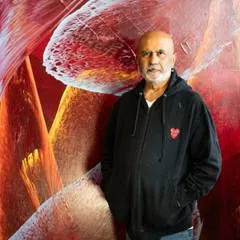
My father, K.B. Goel, was one of India’s preeminent art critics. Growing up with Souza, Husain and Swaminathan at the dinner table taught me that the best abstract painting is not about the painter at all. It is about the space between the work and the person standing before it. Art that listens.
All 89 paintings
Newest first. Tap one to open it.
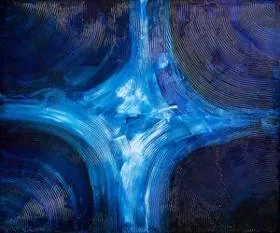 The Sangam6 × 5 ft · Acrylic on canvas · 2026
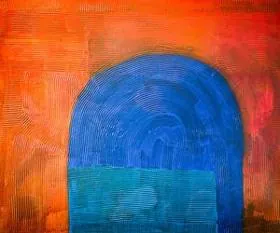 The Blue Sanctum6 × 5 ft · Acrylic on canvas · 2026
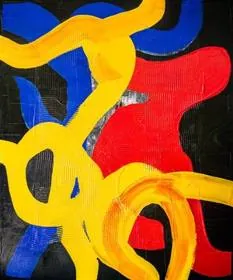 Where Yellow Returns5 × 6 ft · Acrylic on canvas · 2026
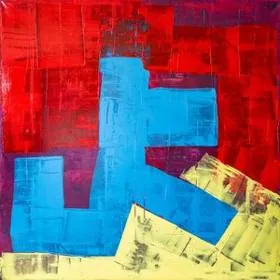 Passage of the Blue5 × 5 ft · Acrylic on canvas · 2026
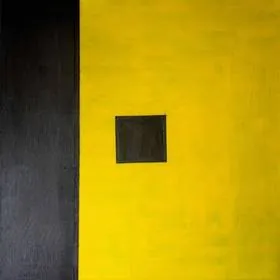 Ferrari Aperture6 × 6 ft · Acrylic on canvas · 2026
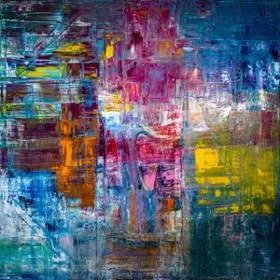 Fragments of Thought6 × 6 ft · Oil on canvas · 2026
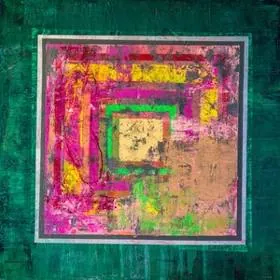 Rangoli in Permanence5 × 5 ft · Acrylic on canvas · 2026
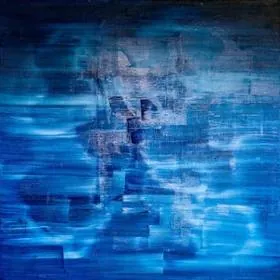 Submerged Structures6 × 6 ft · Oil on canvas · 2026
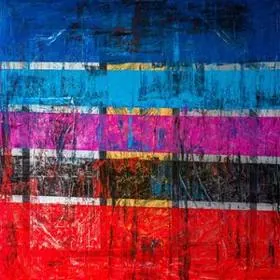 Bands of Tension6 × 6 ft · Oil on canvas · 2026
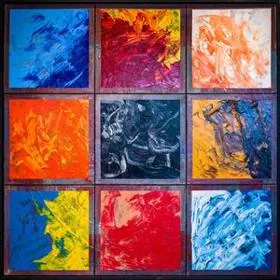 Chromatic Constellation6 × 6 ft · Oil on canvas · 2026
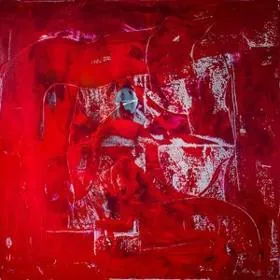 Emergent Ground in Red5 × 5 ft · Oil on canvas · 2026
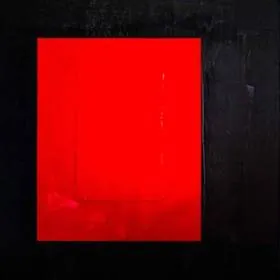 Ferrari Core6 × 6 ft · Oil on canvas · 2026
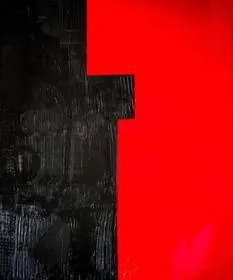 Ferrari Divide5 × 6 ft · Oil on canvas · 2026
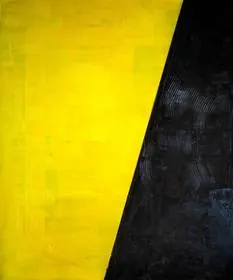 Ferrari Giallo5 × 6 ft · Oil on canvas · 2026
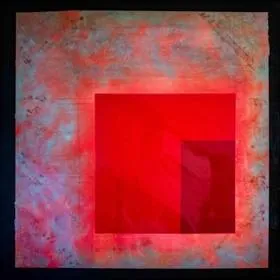 Ferrari Red and Silver6 × 6 ft · Oil on canvas · 2026
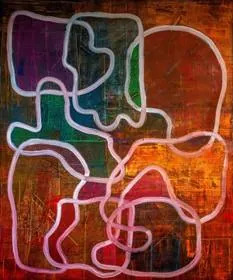 Mapping the Unseen5 × 6 ft · Oil on canvas · 2026
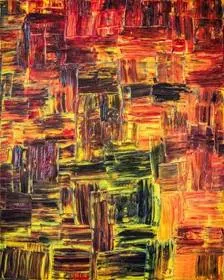 Phoenix4 × 5 ft · Oil on canvas · 2026
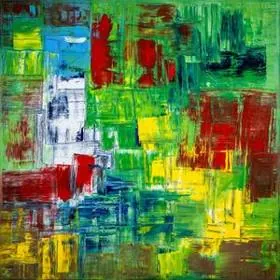 Primary Cacophony - On color that collides without cruelty4 × 4 ft · Oil on canvas · 2026
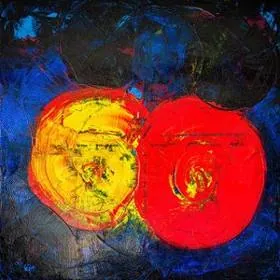 Proton Song5 × 5 ft · Oil on canvas · 2026
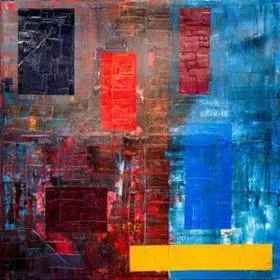 Rooms of the Unfinished5 × 5 ft · Oil on canvas · 2026
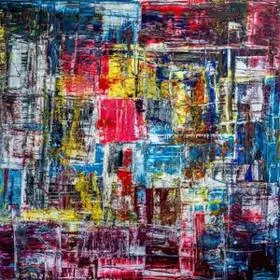 Structural Emergence - On white's insistence, and the art of what survives noise5 × 5 ft · Oil on canvas · 2026
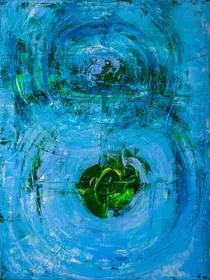 Two Centers36 × 48 in · Acrylic on canvas · 2026
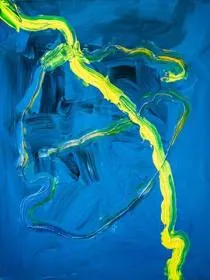 Lightning Considers36 × 48 in · Acrylic on canvas · 2026
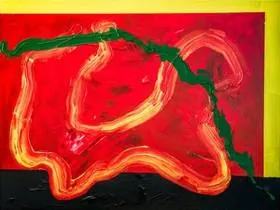 Before Containment48 × 36 in · Acrylic on canvas · 2026
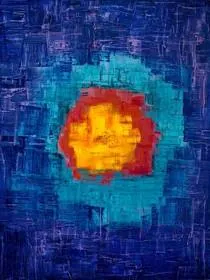 Sonoran Fire36 × 48 in · Oil on canvas · 2026
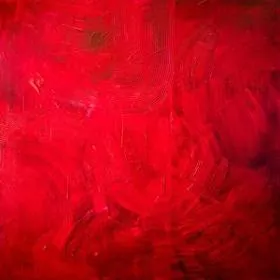 Sindoor Field6 × 6 ft · Oil on canvas · 2026
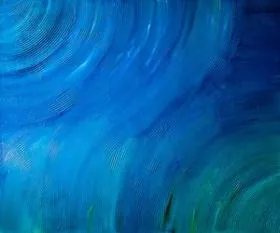 Sea Change6 × 5 ft · Oil on canvas · 2026
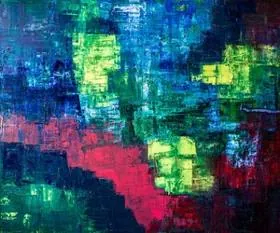 Fragments of a Hidden Past6 × 5 ft · Oil on canvas · 2026
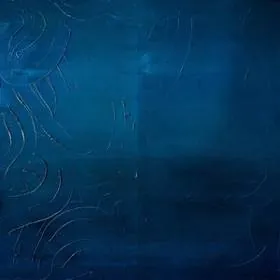 Neelkanth5 × 5 ft · Oil on canvas · 2026
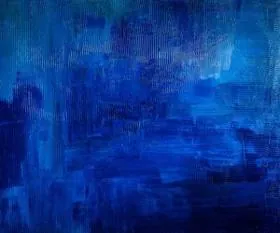 Thehrav6 × 5 ft · Acrylic on canvas · 2026
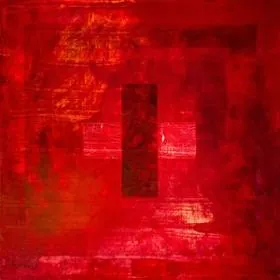 Odhni4 × 4 ft · Oil on canvas · 2026
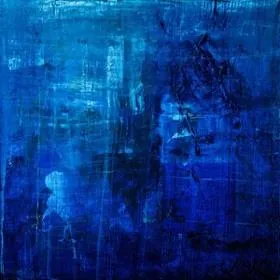 Jheel4 × 4 ft · Oil on canvas · 2026
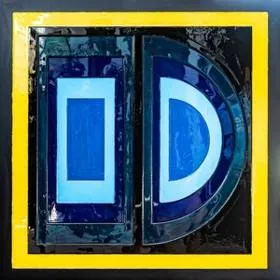 Abstract Stepwell4 × 4 ft · Acrylic on woodcut · 2025
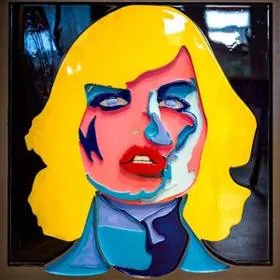 Abstract Taylor Swift3 × 3 ft · Acrylic on woodcut · 2025
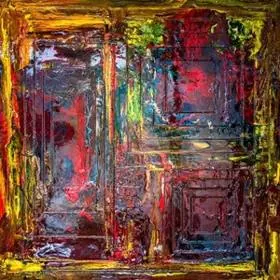 After Holi4 × 4 ft · Acrylic on woodcut · 2025
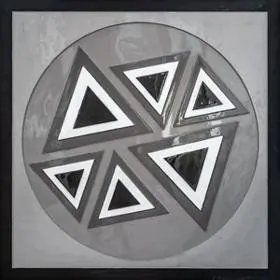 Angled Stepwell4 × 4 ft · Acrylic on woodcut · 2025
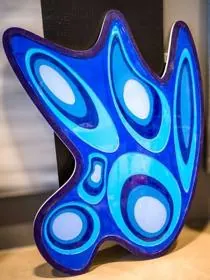 Blue Lily4 × 4 ft · Acrylic on woodcut · 2025
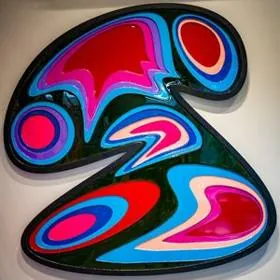 Digestive System4 × 4 ft · Acrylic on woodcut · 2025
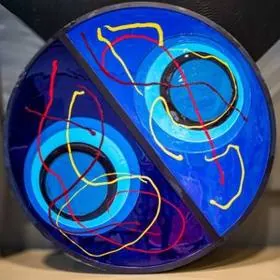 Double Donut4 × 4 ft · Acrylic on woodcut · 2025
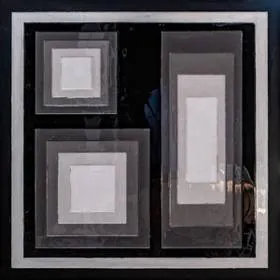 Echoes of the Stepwell4 × 4 ft · Acrylic on woodcut · 2025
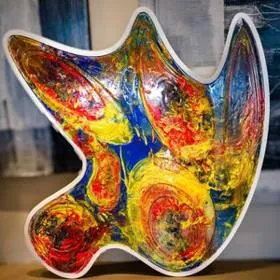 Fluid Renaissance4 × 4 ft · Acrylic on woodcut · 2025
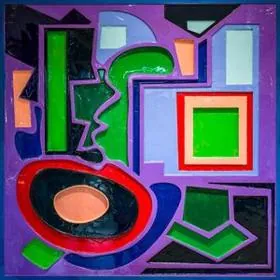 Golf Course48 x 48 inches (4 x 4 ft) · Acrylic on woodcut · 2025
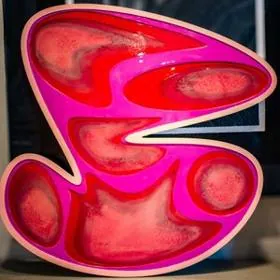 Love Story4 × 4 ft · Acrylic on woodcut · 2025
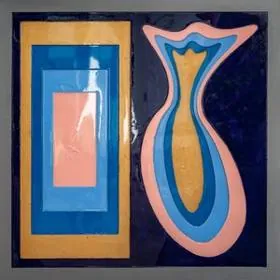 Swimming Thoughts4 × 4 ft · Acrylic on woodcut · 2025
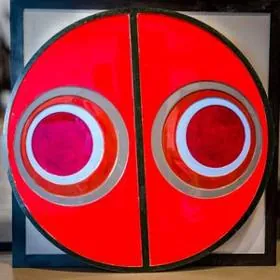 iRobot4 × 4 ft · Acrylic on woodcut · 2025
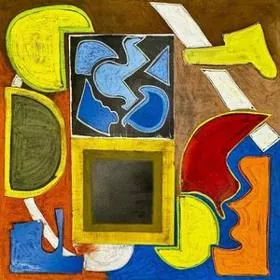 Abstract Still Life4 × 4 ft · Oil on canvas · 2024
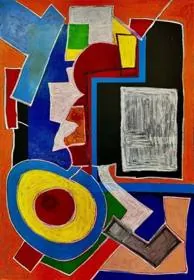 SoldEconomics of Color and Line4 × 6 ft · Oil on canvas · 2024
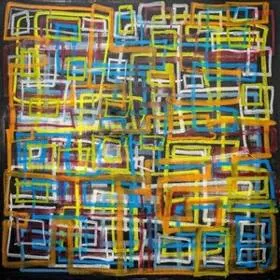 Jigsaw of Fragmented Space4 × 4 ft · Oil on canvas · 2024
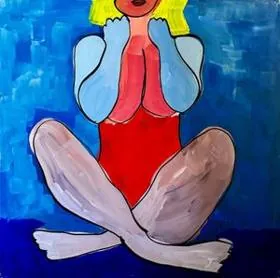 Model 1 (Abstraction)4 × 4 ft · Oil on canvas · 2024
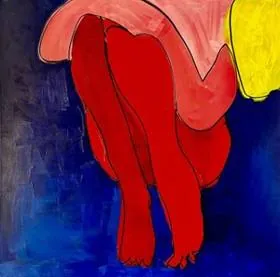 Model 2 Abstraction4 × 4 ft · Oil on canvas · 2024
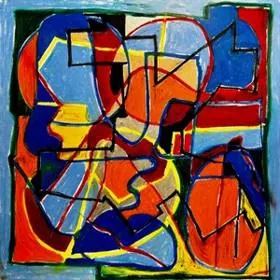 On the Court4 × 4 ft · Oil on canvas · 2024
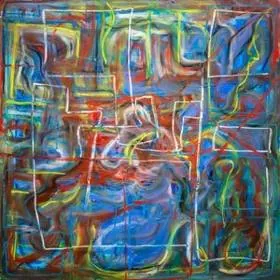 Ontological Inquiry4 × 4 ft · Oil on canvas · 2024
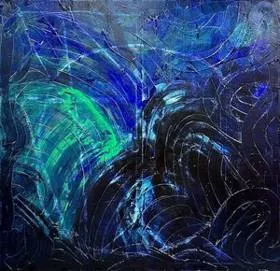 Painted overUnderwater Light Play5 × 5 ft · Oil on canvas · 2024
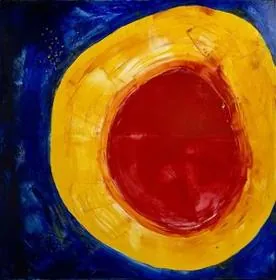 Cocoon of Transcendent Growth6 × 6 ft · Acrylic on canvas · 2023
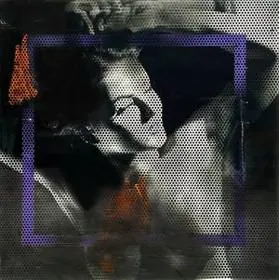 A Study in Black & White5 × 5 ft · Oil on canvas · 2023
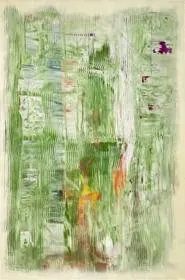 Algea – The Pulse of Life4 × 6 ft · Oil on canvas · 2023
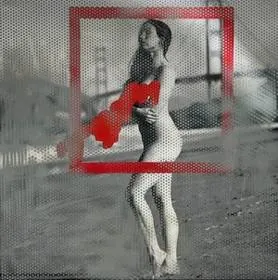 Awakening a Cold Dream4 × 4 ft · Oil on canvas · 2023
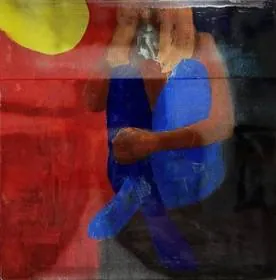 Blue Legs in Landscape4 × 4 ft · Oil on canvas · 2023
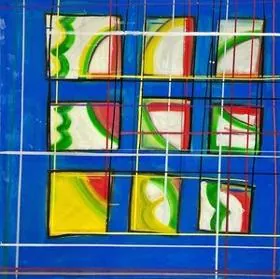 Crooked Windows5 × 5 ft · Oil on canvas · 2023
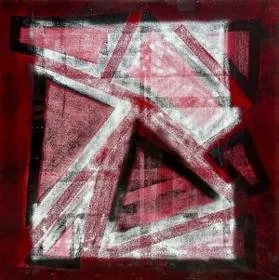 Fibers and Data5 × 5 ft · Acrylic on canvas · 2023
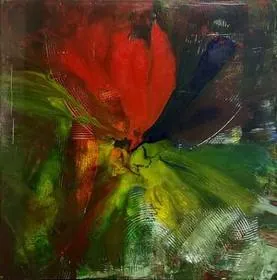 Fire Fly5 × 5 ft · Oil on canvas · 2023
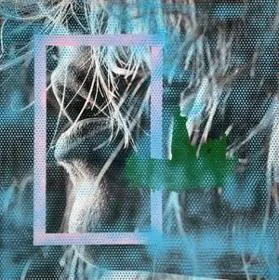 Focus5 × 5 ft · Oil on canvas · 2023
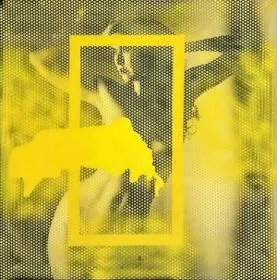 Form5 × 5 ft · Oil on canvas · 2023
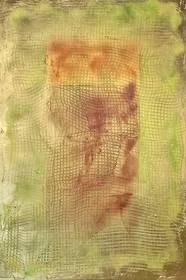 Golden Shroud4 × 6 ft · Oil on canvas · 2023
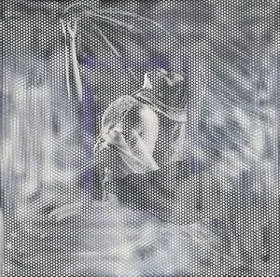 Haze of Memory and Emotion4 × 4 ft · Oil on canvas · 2023
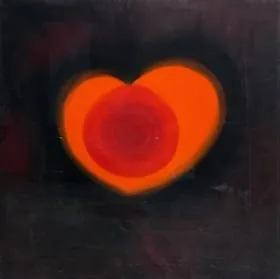 Layers of Love in Color5 × 5 ft · Oil on canvas · 2023
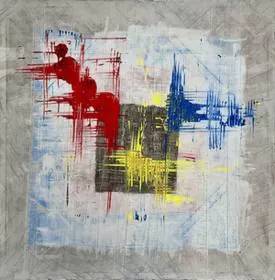 Life Scratches4 × 4 ft · Oil on canvas · 2023
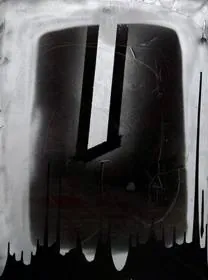 Monster Dream3 × 4 ft · Oil on canvas · 2023
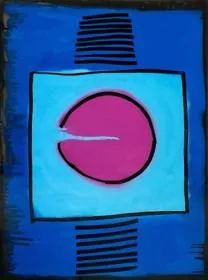 SoldPacman Unfinished2.5 × 3 ft · Oil on canvas · 2023
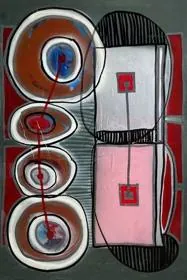 Pentium Chip4 × 6 ft · Oil on canvas · 2023
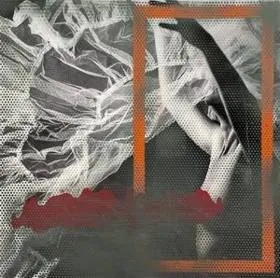 Playing5 × 5 ft · Oil on canvas · 2023
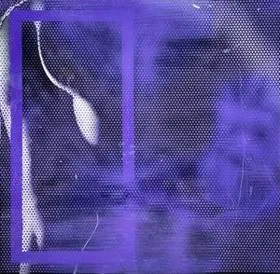 Purple Haze5 × 5 ft · Oil on canvas · 2023
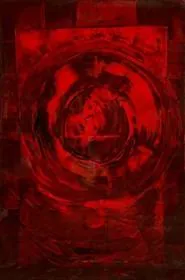 Reflection in Red Mirror4 × 6 ft · Oil on canvas · 2023
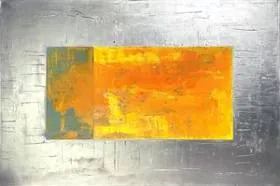 SoldSilver Frame6 × 4 ft · Oil on canvas · 2023
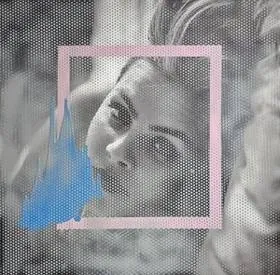 Vision Beyond4 × 4 ft · Oil on canvas · 2023
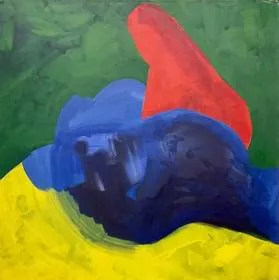 Blonde4 × 4 ft · Oil on canvas · 2022
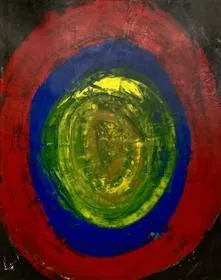 Donut (Ontologically Enhanced)6 × 8 ft · Oil on canvas · 2022
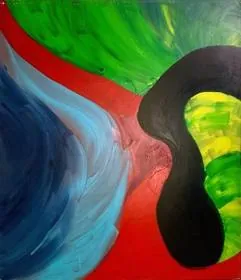 Jet Lag Across Skies5 × 6 ft · Oil on canvas · 2022
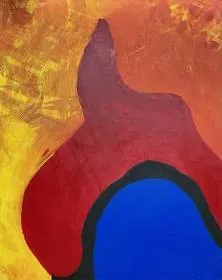 Rising Through Color Layers6 × 8 ft · Oil on canvas · 2022
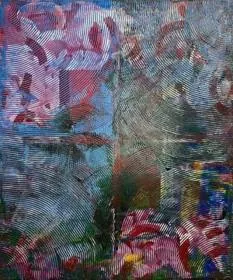 Painted overSpiraling into Stillness5 × 6 ft · Acrylic on canvas · 2022
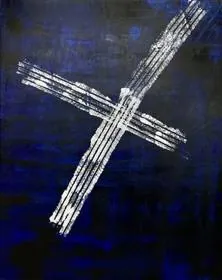 Vanishing Tracks6 × 8 ft · Oil on canvas · 2022
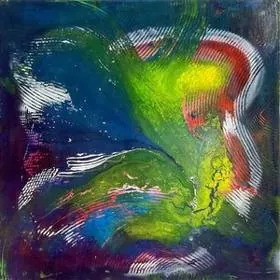 Bursting Seed4 × 4 ft · Oil on canvas · 2021
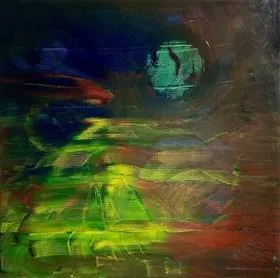 Earth from Mars4 × 4 ft · Oil on canvas · 2021
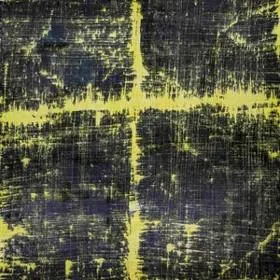 SoldHeart Beat in Brushstrokes6 × 6 ft · Oil on canvas · 2021
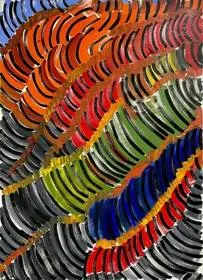 Colorful Caterpillar3 × 4 ft · Oil on canvas · 2020
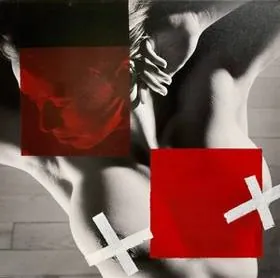 Layers of Reality or Not4 × 4 ft · Oil on canvas · 2020
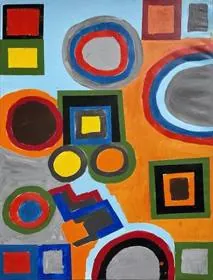 Organic Memories from Childhood4 × 4 ft · Acrylic on canvas · 2020
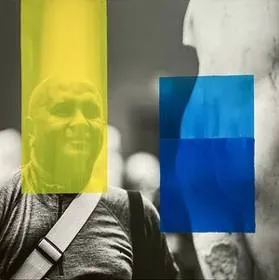 Selfie4 × 4 ft · Oil on canvas · 2020
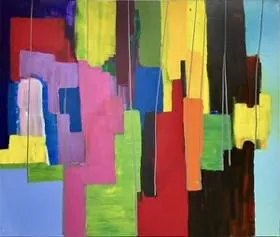 Weeping Future4 × 3 ft · Oil on canvas · 2020
Or see them side by side.
From the Journal
First access. Studio notes. Private sales.
New work from Abstract Inquiry goes to the Collectors List before it appears anywhere else.