Media & press
Ritu Raj
Painter, Author and Entrepreneur
Ritu Raj paints from RituStudio in Phoenix, Arizona, where thread takes the place of the brush and gravity becomes a collaborator. He is the creator of ArtGraph, a language system for encountering abstract art, and the author of two books published in September 2026: The Shape of Seeing, on how abstraction arrives, and The Unalgorithmic Self, on what AI cannot reach.
Bios
In his own words.
Use any of these as they are. Each one copies with a tap.
Short
Ritu Raj is an American painter, author and entrepreneur. He is the creator of ArtGraph and the author of The Shape of Seeing and The Unalgorithmic Self.
One paragraph
Ritu Raj is an American painter, author and entrepreneur in Phoenix, Arizona. He is the creator of ArtGraph, a language system for encountering abstract art, and the author of The Shape of Seeing, on how abstraction arrives, and The Unalgorithmic Self, a philosophical inquiry into what AI cannot reach.
Full
Ritu Raj is an American painter, author and entrepreneur. He works from RituStudio in Phoenix, Arizona, where his signature technique, Organic Movement, lets thread take the place of the brush and makes gravity a collaborator. He has made more than 250 paintings and is represented by Jarrow & Goodman in Los Angeles.
He grew up in New Delhi, the son of the art critic K.B. Goel, among the painters his father wrote about: Souza, Husain, Raza, Swaminathan. Mathematics and computer science gave him another grammar for the same question, and three decades of building companies tested it at scale: he founded Avasta and Wag Hotels and helped build SideCar and Diamond Foundry. The painting, the systems and ArtGraph, his language system for encountering abstract art, are one inquiry.
He is the author of The Shape of Seeing, on how abstraction arrives, and The Unalgorithmic Self, a philosophical inquiry into what AI cannot reach.
The books
Two books, one inquiry.
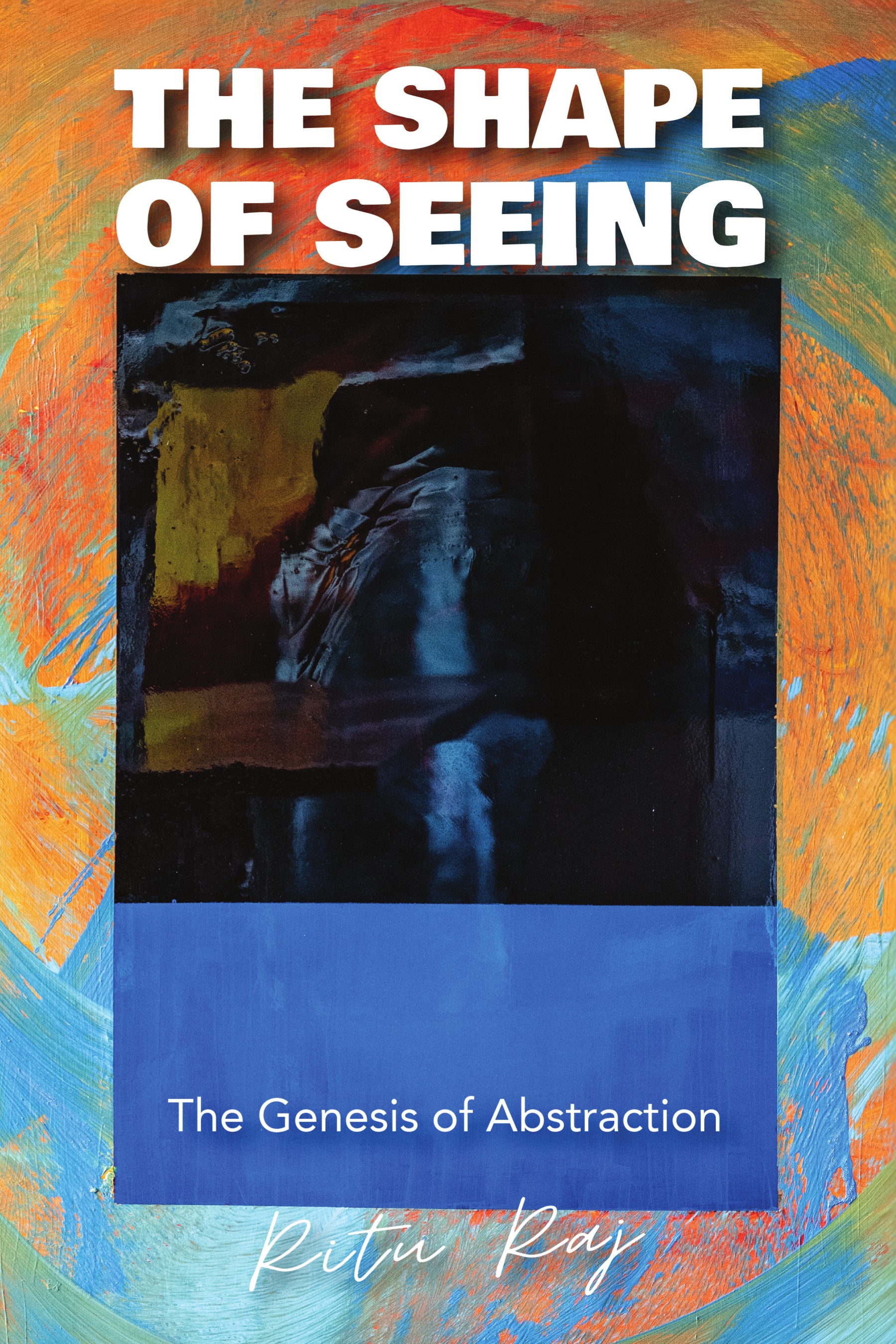
The Shape of Seeing
The Genesis of Abstraction
Twenty chapters on painting, perception, silence and attention, from a childhood among India’s modernist painters to a studio in the Arizona desert, and the length of string that became the Organic Movement paintings.
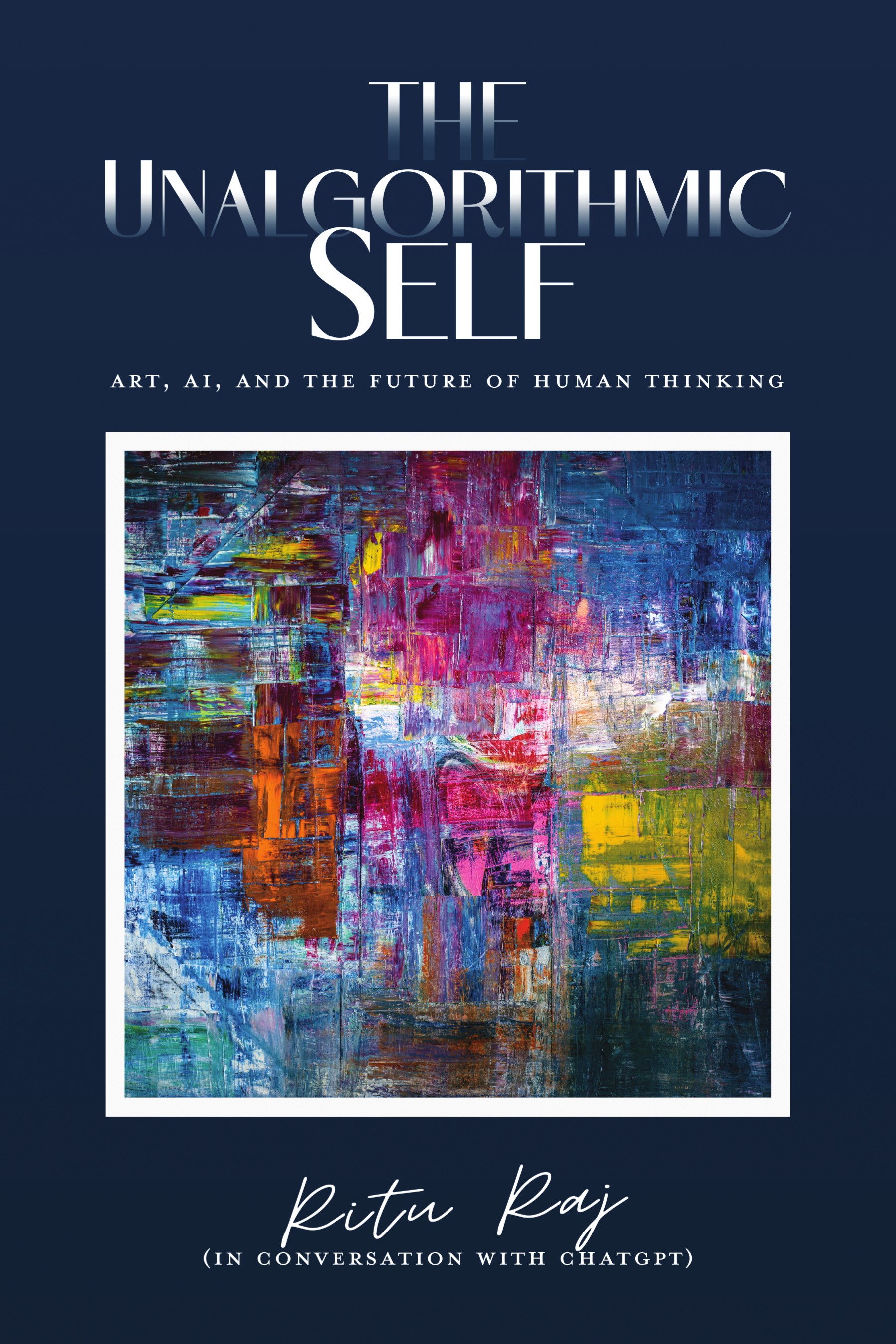
The Unalgorithmic Self
Art, AI, and the Future of Human Thinking
Thirty chapters in six parts on the body, emotion, memory, imagination, identity, uncertainty, love, ethics and art: the part of human life that refuses reduction. Not a book against AI. A book about remembering ourselves.
Review copies, print or digital, are available to journalists, reviewers and hosts. Ask for one.
Conversation topics
What we could talk about.
01 · The Unalgorithmic Self
What AI cannot reachMemory, imagination, identity, uncertainty, love: why a profile can approximate your tendencies but can’t contain your becoming, and why that matters now.
02 · The Unalgorithmic Self
Writing about AI, with AIThe book was written openly in conversation with an AI model, with the ideas and values his own. What that collaboration showed him about where the machine stops and the person begins.
03 · The Shape of Seeing
A length of stringIn 2020 he dipped ordinary string in pigment, and what it left behind became the Organic Movement paintings: an experiment gone awry, and precisely because of that, true.
04 · The Shape of Seeing
Growing up among India’s modernistsA childhood in New Delhi, the son of the critic K.B. Goel, with Souza, Husain, Raza and Swaminathan at the dinner table. What it means to inherit a way of seeing.
05 · Both books
One obsession, many formsPainting, building companies and writing as one inquiry rather than a career change. He did not run kennels before Wag Hotels or drive a taxi before SideCar, and he is not a historian of abstraction. Each began with a problem of his own.
06 · ArtGraph
A language system for encountering abstract artAbstract painting has no vocabulary for what it does to people. ArtGraph gives it one: six dimensions that read the painting, three fields that read the encounter.
Lines to quote
From the pages.
“A machine can answer a question. Only a human can wonder.”
“A profile may approximate your tendencies. It can’t contain your becoming.”
“AI will multiply intelligence. But only humans can multiply meaning.”
“Perhaps abstraction is simply what happens when words run out.”
“Abstraction is not a style, but a state of mind.”
“A work of art is not an object; it is a relationship between two awarenesses.”
Press
In the press.
- Podcast · The Digital Executive (Coruzant) · Oct 2026Keeping Humanity Alive in the Age of AI (Episode 1342)Listen to the episode · Read the profile
- Authority Magazine · Oct 2026Social Impact Heroes: How Ritu Raj of ArtGraph is helping to change our world
- StartupFortune · Oct 2026A length of string and the question of where abstraction begins
- VoyagePhoenix · Oct 2026Rising Stars: Meet Ritu Raj of Phoenix / Scottsdale
- CanvasRebelMeet Ritu Raj
- Artist CloseupInterview with Ritu Raj
- ArtsyString Theory, a solo show at Jarrow & Goodman
- Artist HighlightThe Organic Movement series
- Press release · Oct 2026The Unalgorithmic Self examines what AI cannot measure about human life
- Press release · Oct 2026Painter Ritu Raj publishes The Shape of Seeing
Images
Free to use with coverage.
Please credit: RituStudio. Tap any image for the full-size file. For images of individual paintings, browse the catalog or ask for high-resolution files.
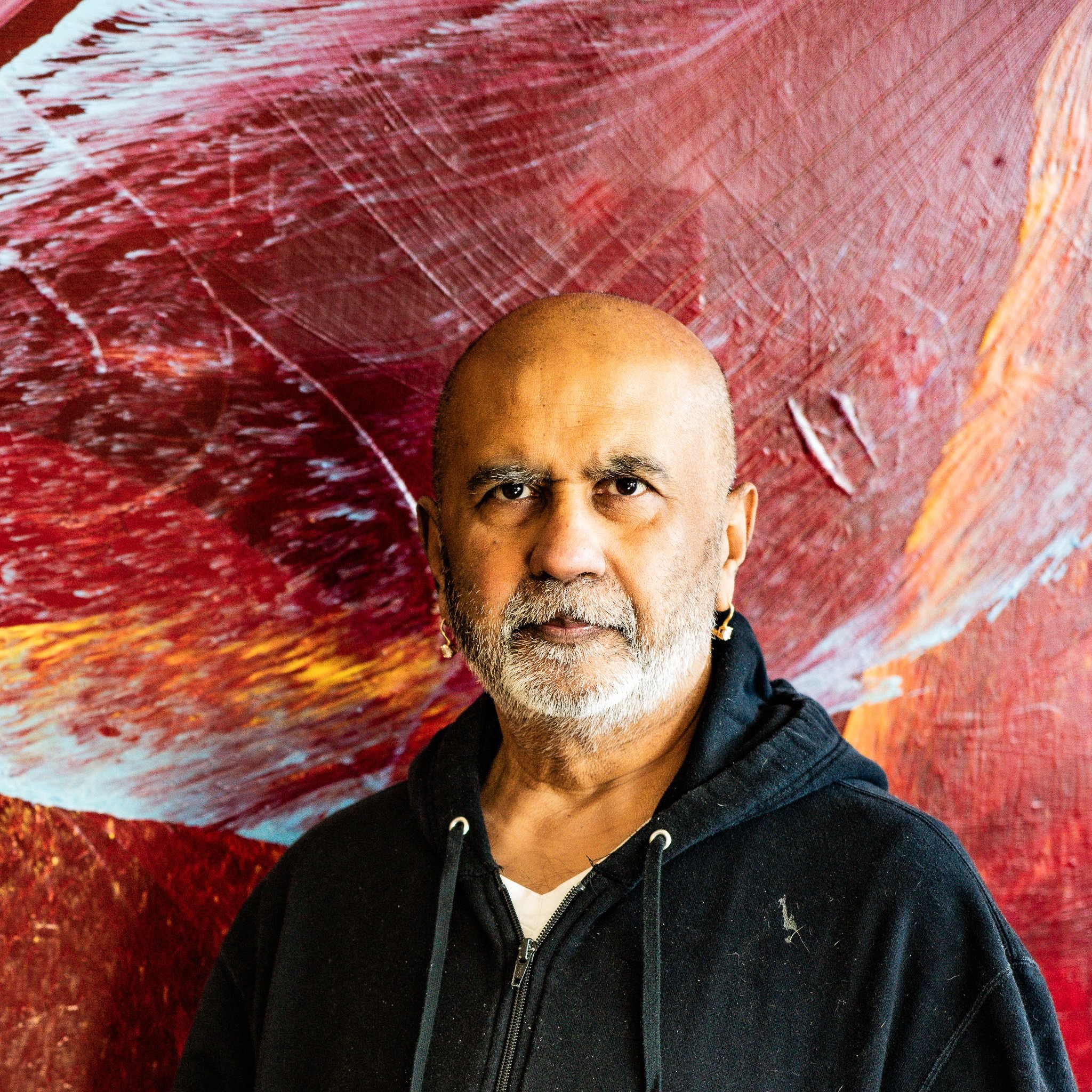
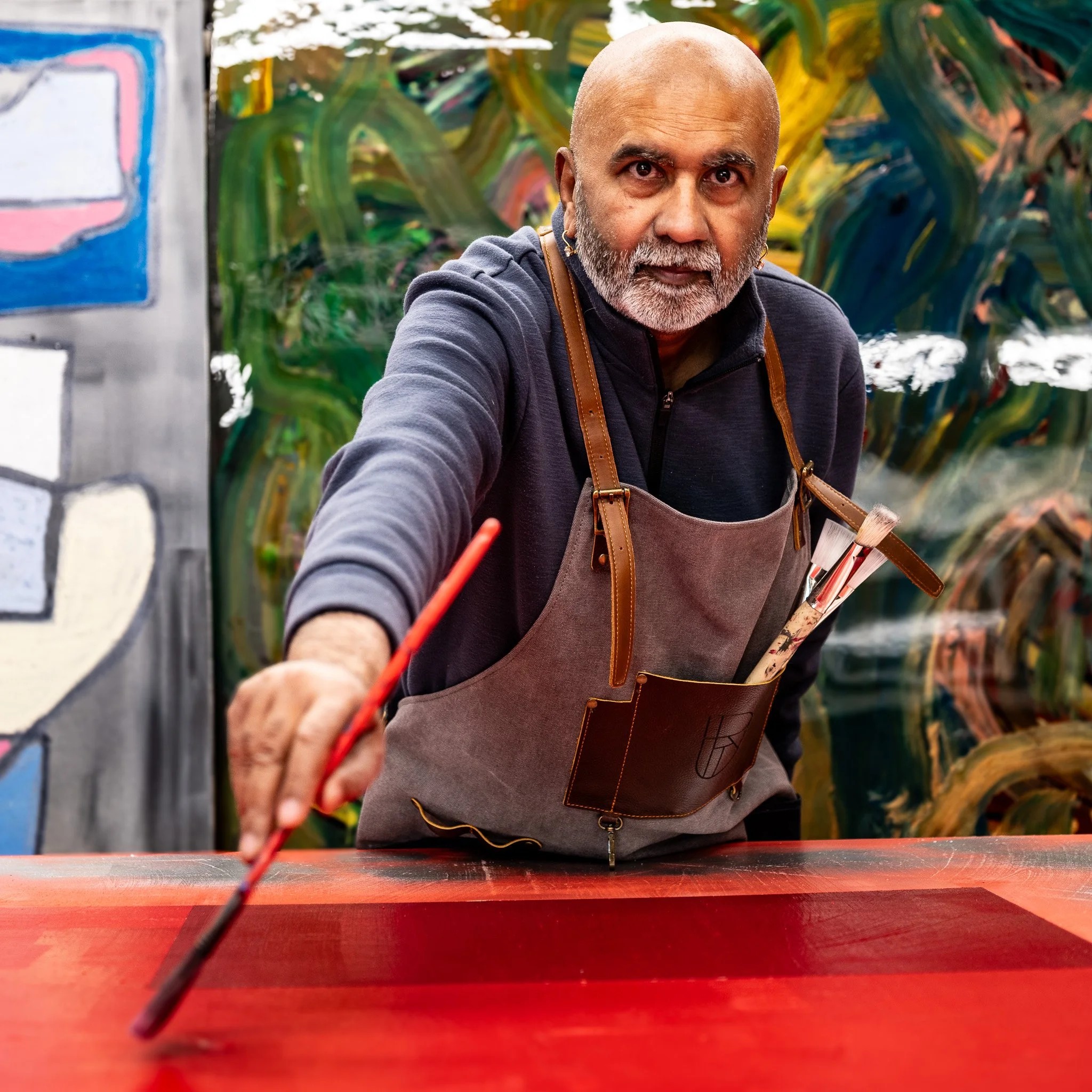
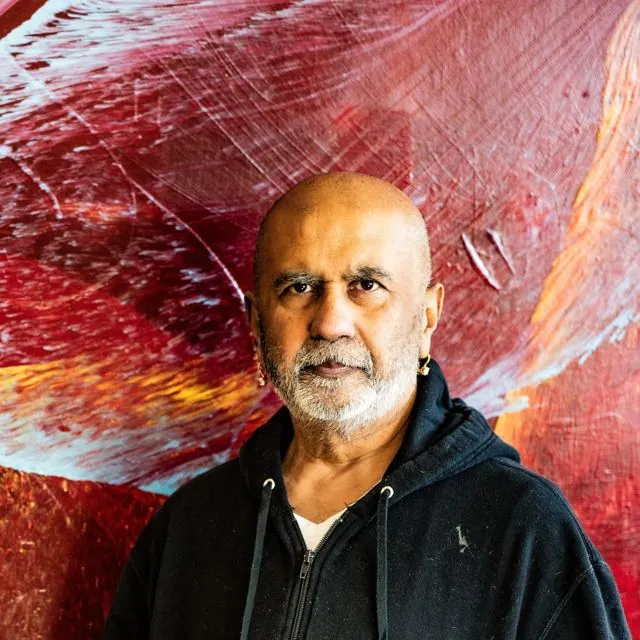 PortraitSquare, 2048 px · Photo: RituStudio
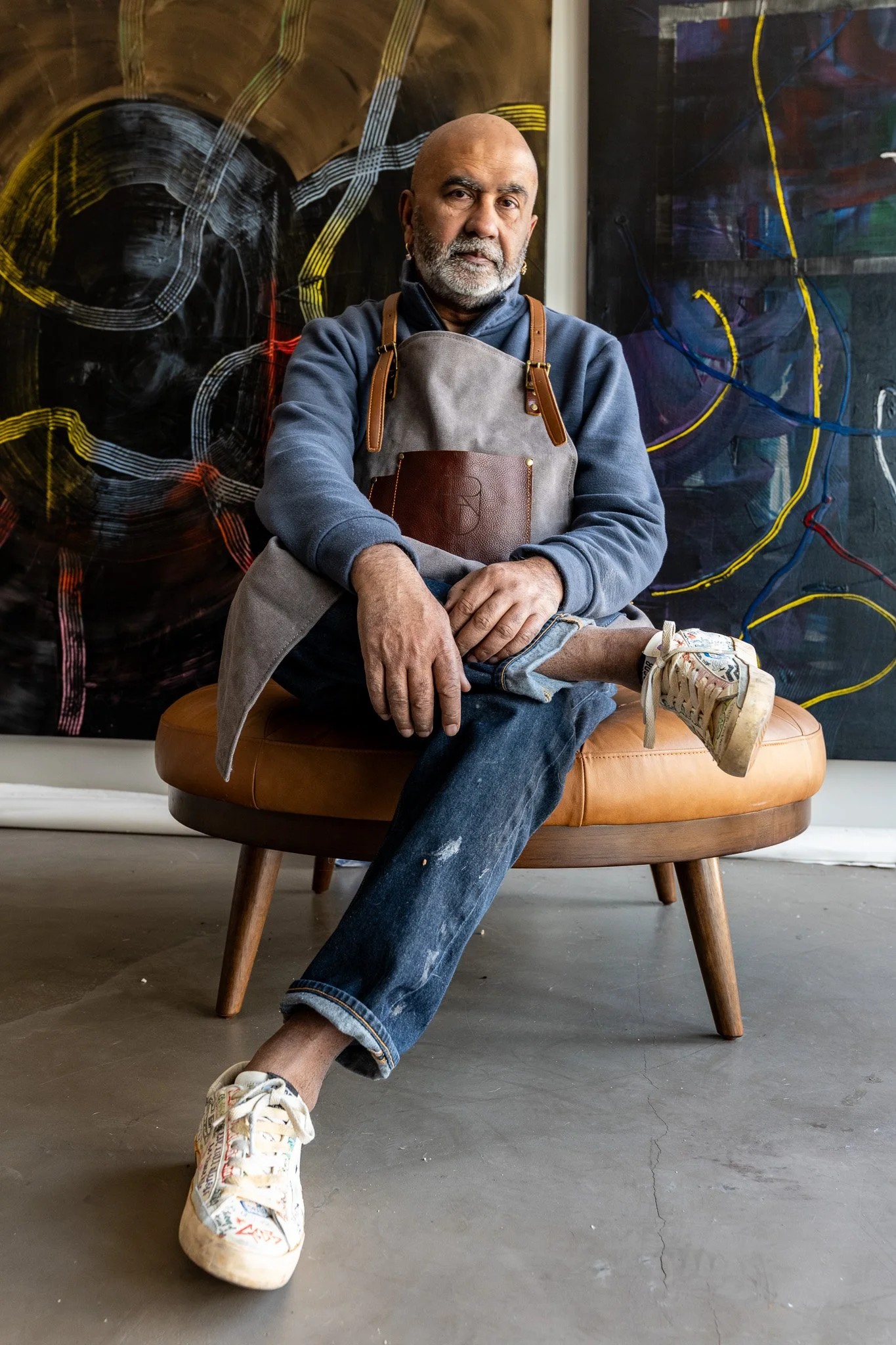
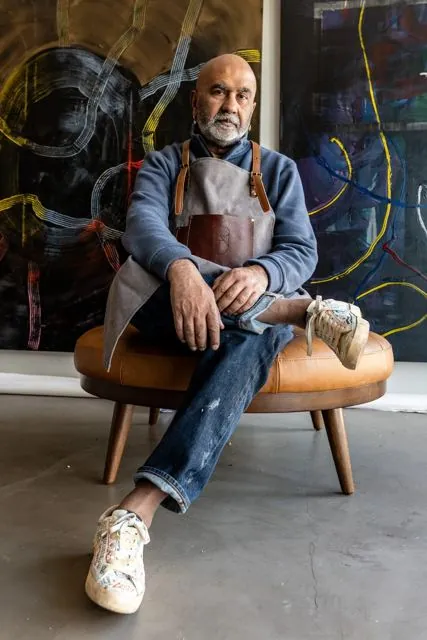 In the studioVertical, 2048 px · Photo: RituStudio
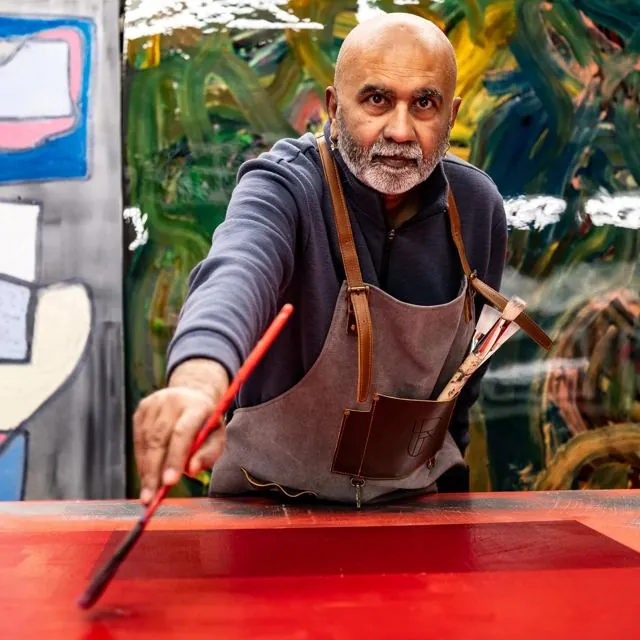 At workSquare, 2048 px · Photo: RituStudio
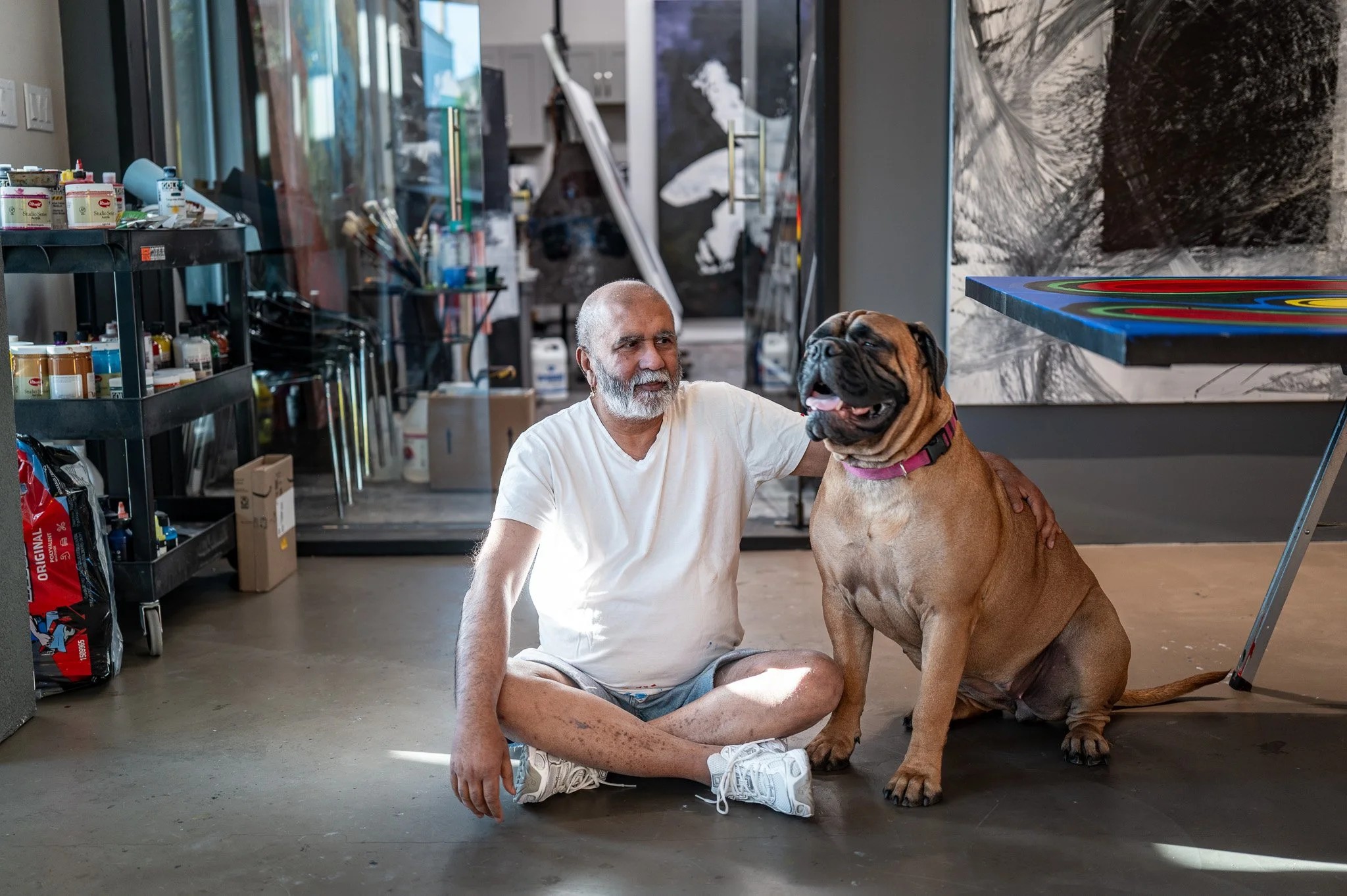
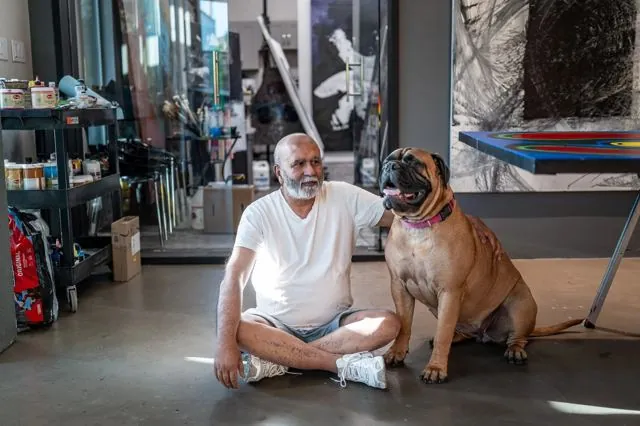 At RituStudio, with one of his bullmastiffsHorizontal, 2048 px · Photo: RituStudio
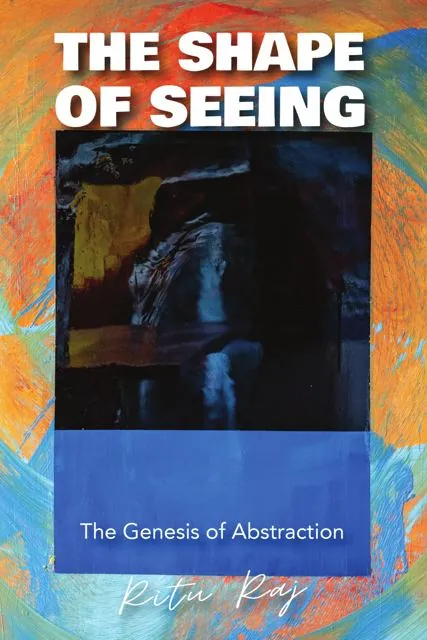 The Shape of Seeing, cover1800 × 2700 px · Painting: Orbit of Blue
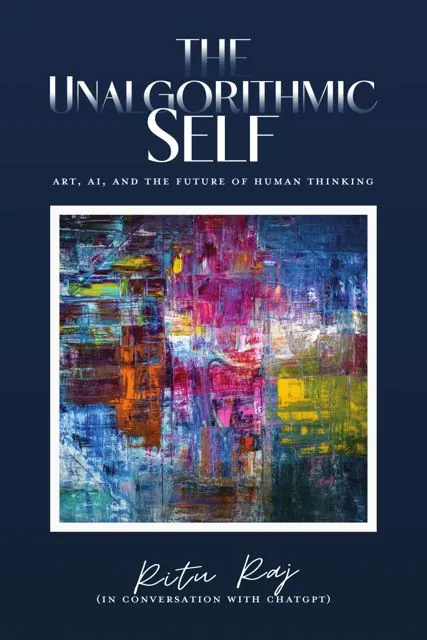 The Unalgorithmic Self, cover1800 × 2700 px
Contact
Write to Ritu directly.
Interviews, review copies, talks, studio visits. Every message reaches him, not an agency.